Sewer Line Repair San Jose — Same-Day Service
Need sewer line repair San Jose homeowners can trust? We diagnose, repair, and replace damaged sewer lines using camera inspection and trenchless methods.
When Your Sewer Line Fails
A broken sewer line is one of the worst plumbing problems a home can have. The signs are hard to miss. Sewage odors in the yard. Toilets that won't flush right. Slow drains in every room. Patches of grass that grow taller than the rest.
Most San Jose homes built before 1980 have clay or cast iron sewer pipes. Both have a shelf life. Clay cracks. Cast iron rusts through. After 50 to 80 years, failure is almost certain. When the line can't be saved with jetting alone, trenchless sewer repair replaces it without tearing up your yard.
We start every sewer line job with a camera inspection. That tells us exactly what's wrong and where. Once we know the problem, we give you fixed-price options. Trenchless repair when possible. Traditional dig only when needed.
Call For Estimate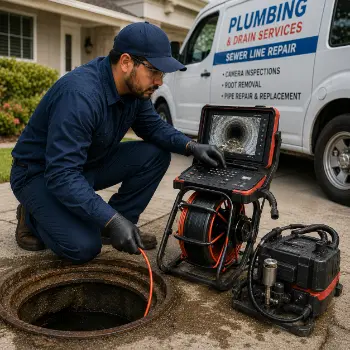
Signs of a Broken Sewer Line
Sewer line problems usually show up slowly. Catching them early saves thousands in damage.
Sewage Odors in Your Yard or Home
A rotten egg or sewage smell coming from your yard, basement, or drains is a warning sign. The pipe has cracked or shifted, and waste is escaping into the soil. Indoors, a sewer smell often means the line is partially blocked and venting backward.
Multiple Slow Drains
If every drain in the house slows down at the same time, the issue isn't in one fixture. It's in the main line carrying everything out to the street. Hair clogs and grease cause individual drain problems. Sewer line damage causes whole-house problems.
Water Pooling in the Yard
Wet patches of grass with no obvious cause often point to a leaking sewer line. The water seeps up from below. The grass right above the leak grows fast and stays green even in dry weather.
Foundation Cracks
A leaking sewer line under or near the foundation can wash out the soil underneath. The foundation settles unevenly, and cracks form in walls, floors, or the foundation itself. Not every foundation crack means a sewer leak, but it's worth checking.
Lush Patches of Grass
A patch of grass that grows much faster and greener than everywhere else in the yard often means a sewer leak below it. The waste acts as fertilizer. It looks nice from above, but it's a sign of a real problem.
Common Causes of Sewer Damage in San Jose
San Jose has a few patterns that cause more sewer line failures than other places. Knowing the cause helps you prevent it next time.
Root Damage to Sewer Pipes
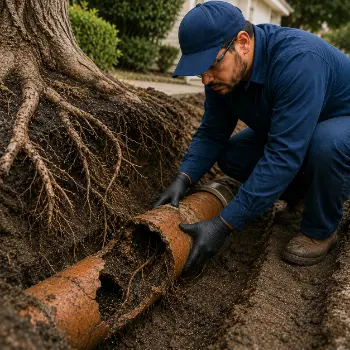
Tree roots are the number one cause of sewer line failure in San Jose. Roots grow toward water, and a leaking pipe joint is a magnet for them. Once they're inside, they grow until they fill the pipe completely.
Older clay pipes are especially vulnerable because the joints are sealed with mortar that breaks down over time. Mature trees in older neighborhoods like Willow Glen, Rose Garden, and Naglee Park cause root problems on a regular basis. Even smaller trees in newer yards can reach a sewer line if planted too close.
Aging Clay and Cast Iron Pipes
Clay sewer pipes installed before 1970 are well past their useful life. They crack from ground shifting, root pressure, and simple age. Cast iron pipes from the same era rust from the inside out, narrowing the line and trapping debris.
Ground Shifting and Earthquakes
San Jose sits in a seismic zone. Even small ground movements stress sewer lines. After a quake, hairline cracks can grow over time. Expansive clay soil in places like Almaden Valley and South San Jose adds to the problem by pushing and pulling on the pipes with seasonal moisture changes.
Grease and Debris Buildup
Years of cooking grease, soap, and food waste coat the inside of older pipes. The buildup narrows the line and traps more debris. Eventually, the pipe blocks completely. Garbage disposals make this worse by sending small food particles down the line where they collect at low spots.
Our Sewer Line Repair Process
Every sewer line repair San Jose job follows the same simple steps. No guesswork, no upsell.
Sewer Camera Inspection
We start with a camera scope down the cleanout. The camera shows the inside of the pipe on a screen. You see exactly what we see. Cracks, roots, blockages, collapsed sections — all visible in real time.
The scope tells us the depth, location, and severity of the damage. Without it, every repair is a guess.
Diagnosis and Repair Plan
After the scope, we walk you through what's there. Then we give you options. A single broken section may only need a spot repair. Widespread root damage usually means a full line replacement. We explain the cost and the impact on your home clearly.
Trenchless or Traditional Repair
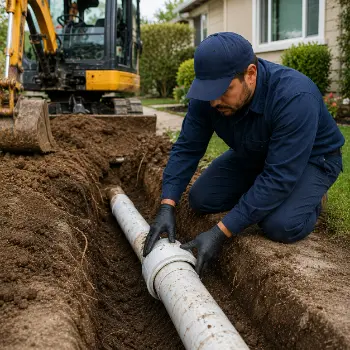
Most San Jose sewer repairs can be done trenchless. That means no digging up your yard, driveway, or patio. We pull a new pipe through the old one or line it from the inside.
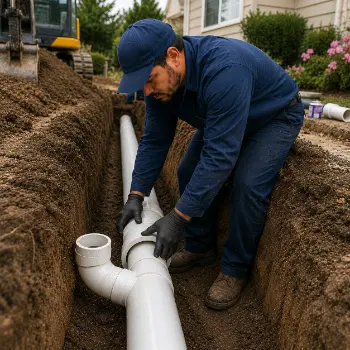
When trenchless isn't possible, we excavate the smallest area needed. We protect landscaping, restore the surface, and clean up before we leave.
Sewer Line Repair Cost
Pricing varies based on the method, length, and access. Here are typical ranges:
| Service | Typical Price Range | Notes |
|---|---|---|
| Sewer camera inspection | $250–$450 | Diagnose before any repair |
| Spot repair (single section) | $1,500–$4,000 | Single damaged section |
| Trenchless pipe lining | $90–$250/ft | No-dig interior lining |
| Pipe bursting (full replacement) | $80–$200/ft | Trenchless full replacement |
| Traditional dig and replace | $5,000–$15,000 | When trenchless not possible |
Most full sewer line replacements in San Jose run between $6,000 and $14,000. The actual price depends on depth, length, and how much access is involved. You see the full price before any work starts.
Frequently Asked Questions
How much does sewer line repair San Jose service cost?
Costs vary widely based on the repair method. Spot repairs run $1,500 to $3,500. Trenchless lining costs $80 to $250 per foot. Full traditional excavation can run $5,000 to $15,000+ depending on length and depth.
How do I know if I need sewer line repair?
Common signs include slow drains throughout the house, sewage smells in the yard, gurgling toilets, and patches of unusually green grass over the sewer line. A camera scope confirms whether repair is needed.
How long does sewer line repair take?
Trenchless repairs usually finish in a single day. Spot repairs take a half day. Full traditional excavation can run 2–5 days depending on length and accessibility.
Will I lose access to my home during sewer line repair?
Briefly. We turn water off at the meter for a few hours during the actual repair. Trenchless work means little to no disruption above ground. You can usually stay in the house during the work.